

When it comes to dining out, ambiance can make or break the meal. Imagine this: you’re settled in at that new restaurant everyone raves about, but the interior feels like a waiting room at the dentist. Yikes. Successful restaurant interior design is not just about style: it’s about creating an experience. In this text, we’ll jump into the nitty-gritty of restaurant interior design ideas that can elevate any space and keep customers coming back for more.
Understanding the Importance of Interior Design
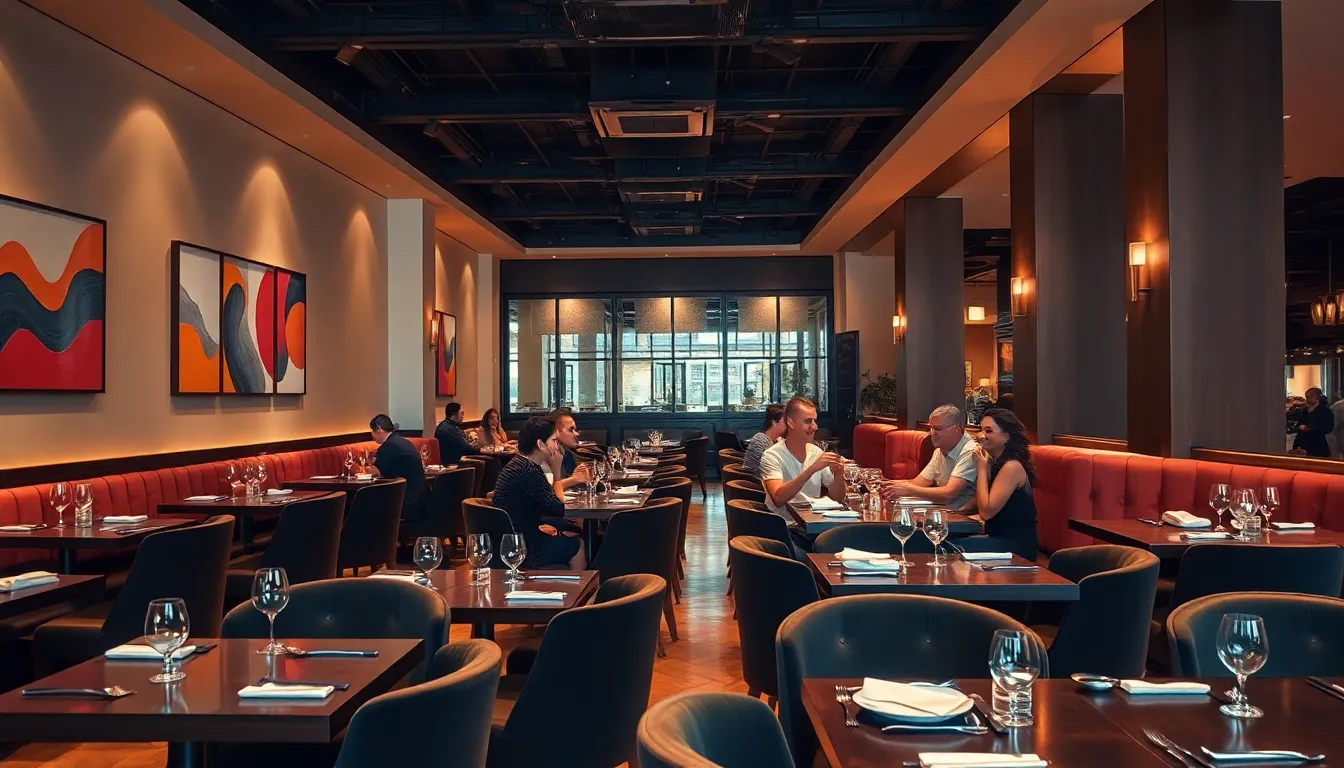
Restaurant interior design isn’t merely a matter of aesthetics. Thoughtful design plays a crucial role in how customers perceive a brand. First impressions matter, and a well-designed restaurant creates a welcoming environment. Studies show patrons are more likely to return if they feel comfortable and engaged in the decor. Besides, the right design can enhance operational efficiency, enabling staff to navigate the space effectively while serving guests. Every element, from color to layout, holds significance, shaping the overall dining experience.
Key Elements of Restaurant Interior Design
A strong restaurant design combines several essential elements. They can include:
- Color Palette: Colors evoke emotions. Warm tones like red and orange can stimulate appetite, while cooler shades may invoke calmness. Choosing the right palette sets the initial mood for the dining experience.
- Materials: The choice of materials, from flooring to countertops, imparts a durability and style that shouldn’t be overlooked. Natural materials often feel more inviting and align with the trend towards sustainability.
- Furniture: Comfortable seating is non-negotiable. The furniture’s style and arrangement also impact customer flow and how people interact during meals. Balancing aesthetics and comfort is key.
- Layout: An efficient layout promotes a smooth dining experience. Tables too close together can lead to discomfort and annoyance, while too much empty space might feel uninviting. Striking a balance supports social interactions and flow.
Popular Restaurant Styles and Themes
Choosing a style and theme can significantly impact the atmosphere. Here are a few trendy options:
Colors and Materials That Set the Mood
Many restaurants opt for a rustic, farmhouse-inspired look using reclaimed wood, stone accents, and muted color schemes. This style creates warmth and invites casual dining. On the flip side, contemporary restaurants might lean towards metal finishes and stark color contrasts, creating modern elegance and sophistication.
Furniture and Layout Considerations
Styles from mid-century modern to industrial chic heavily influence furniture choices. Mid-century furniture often has clean lines and warm woods, promoting a welcoming environment. Meanwhile, industrial designs might feature metal chairs and concrete tables, offering a more urban feel. The layout should accommodate both large groups and cozy two-person tables.
Lighting Techniques for Ambience
Lighting can make or break a restaurant’s vibe. Pendant lights above tables create intimate settings, while brighter overhead lighting can invigorate the atmosphere during busy hours. Dimming capabilities are advantageous for transitioning from lunch to dinner, setting the perfect mood as the sun sets. Plus to overhead lights, consider incorporating candles or soft spotlights to highlight artwork and design features.
Incorporating Art and Decor
In art, aesthetic and storytelling merge, making it a powerful tool in restaurant design.
Creating a Unique Customer Experience
Art can enhance a restaurant’s unique identity, be it through local artists showcasing regional culture or murals that tell a story. Decorative elements such as plants or thematic installations can also create eye-catching focal points. The goal is to reflect the restaurant’s mission and invoke a sense of community. Thoughtfully placed decor engages customers and encourages them to share their experience, both online and off.