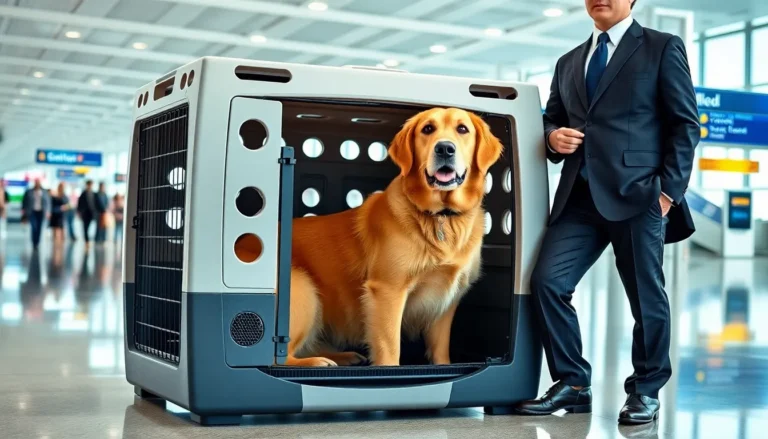

When it comes to traveling with a large dog, the right travel crate can make or break the experience. Imagine rolling through an airport or loading up the car, only to be wrangling a giant furball who thinks he’s the king of inconspicuousness. Not only does a travel crate provide a safe haven for your pup, but it’s also a ticket to peace of mind for you. In this guide, we’ll explore everything you need to know about large dog travel crates, because let’s face it, when Fido needs a getaway, he deserves better than sitting shotgun on a road trip.
Understanding the Importance of a Travel Crate
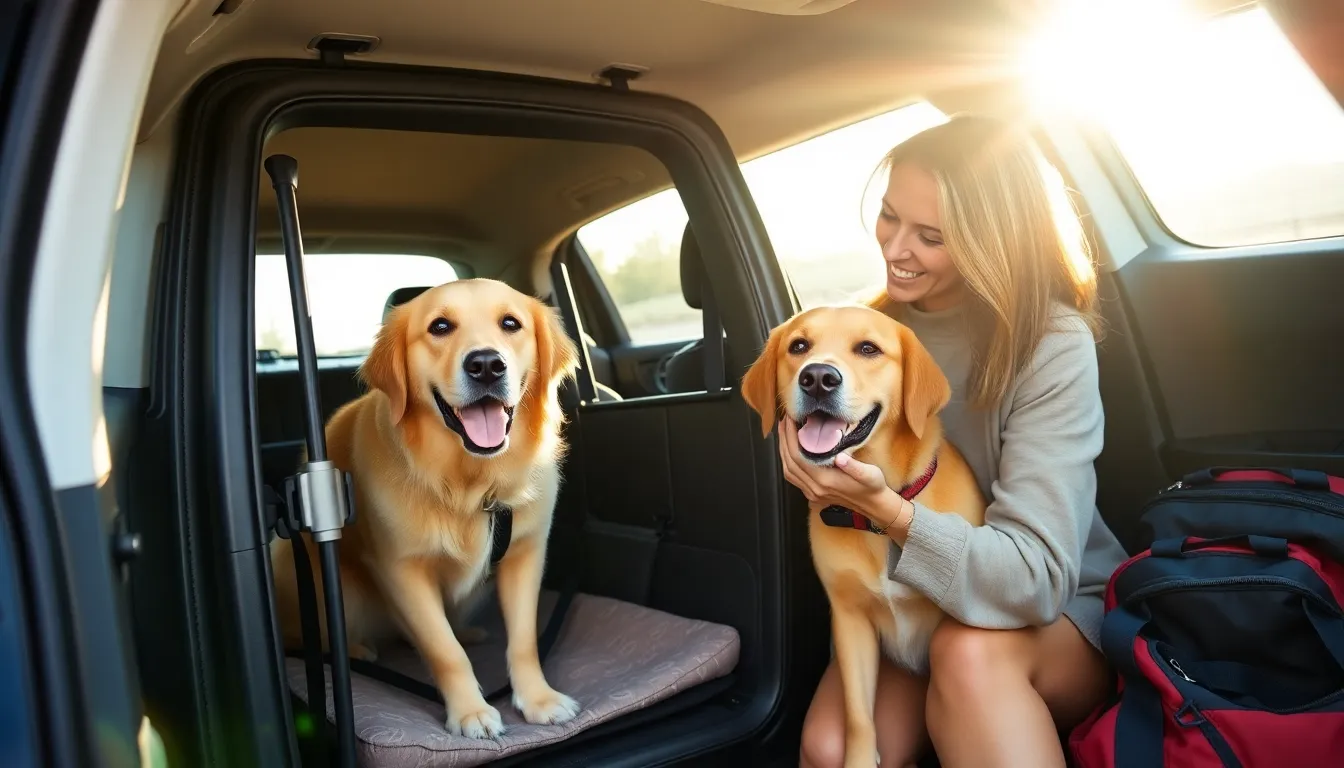
Travel crates are more than just fancy luggage: they are crucial for the safety and comfort of large dogs on the go. Whether headed to the vet, on a cross-country road trip, or flying to a new destination, a reliable travel crate ensures that your furry friend is securely contained. It helps reduce anxiety for both the dog and owner by providing a familiar, cozy space. Also, crates can prevent distractions while driving, making those long miles a bit more pleasant, and ensuring that everyone arrives safely.
Consider this: an uncontained dog in a vehicle can cause interruptions and potentially dangerous situations. From unexpected stops to sudden turns, a travel crate contains your large dog and gives them a sense of stability in an ever-changing environment. For airline travel, it’s often a requirement: many airlines have specific guidelines for crate dimensions. By investing in a solid travel crate, you’re not just purchasing a product: you’re enhancing your dog’s travel experience.
Choosing the Right Size for Your Large Dog
Choosing the appropriate size for your large dog is critical in ensuring a comfortable travel experience. A crate that’s too small might leave your pup feeling cramped and anxious, while one that’s too big could lead to unnecessary movement, making it hard for them to feel secure.
To determine the right size, measure your dog from the tip of their nose to the base of their tail while standing, then from the top of their head to the ground. Add a few extra inches to ensure there’s enough room for your dog to sit, stand, and turn around without any issues. Generally, a crate will fall into categories such as medium, large, extra-large, and gigantic, but focus mainly on your dog’s specific measurements.
For instance, if your large dog is a Great Dane or a German Shepherd, you might want to look into crates that fall into the extra-large category. Also, consider how they typically behave when confined: if they’re active and enjoy stretching out, lean towards the larger options to prioritize their comfort.
Features to Look for in a Large Dog Travel Crate
Not all travel crates are created equal. When searching for the perfect one, there are several features to keep an eye out for. Durability is vital, look for models made from sturdy materials that can withstand wear and tear during travel. Consider crates made from a blend of plastic and metal, which offer both strength and comfort.
Another essential attribute is ventilation. A good travel crate will have sufficient air holes to ensure your dog doesn’t feel claustrophobic. Look for designs that promote airflow while still being secure.
Portability plays a significant role too. Whether it’s being loaded into a car or handled at an airport, a lightweight, collapsible crate can ease the burden. Besides, securing your crate in the vehicle is crucial. Check for tie-down points to keep everything stable during transit.
Finally, think about security features. Look for sturdy latches and lockable doors to prevent any unexpected escapes. A crate with a seamless design can help minimize the chances of injuries, ensuring that your dog travels safely.
Preparation for Travel with Your Dog
Preparation is key for a smooth journey with your large dog. Start by familiarizing your pup with the crate well in advance of your travel date. Leave it open in a comfortable space with a favorite blanket or toy inside. This encourages your dog to view it as a safe retreat rather than a cage.
Before the trip, take your dog on shorter journeys in the crate to help them adjust. Pack essential items like water, a leash, and a few treats. Having these on hand not only keeps your dog comfortable but can also reduce travel anxiety.
Make sure to plan for bathroom breaks on long journeys. Frequent stops will allow your pup to relieve themselves and stretch their legs. Remember to always secure your dog with a leash during these breaks to keep them safe from any sudden accidents.
Safety Tips for Using a Travel Crate
Safety should always come first when using a travel crate. Never leave your dog unattended in the crate for extended periods, especially in hot or cold environments, as this can pose serious risks. Regular breaks during travel help to ensure your dog isn’t cooped up for too long.
Always ensure the crate is properly secured in the vehicle to prevent it from moving during abrupt stops or turns. For air travel, follow the airline’s guidelines meticulously, different airlines might have varying rules for crate transport. Keep essential identification, health documentation, and contact information attached to the crate so that your dog can be quickly identified if separated.
Finally, monitor your dog’s temperament during travel. If your dog appears distressed or overly anxious, it might be worth reevaluating your crate choice or travel strategies.
Best Practices for Crate Training Your Dog
Crate training can sometimes feel like teaching a toddler to tie their shoes, frustrating yet achievable with patience and persistence. Start with positive reinforcement, rewarding your dog for entering the crate voluntarily. Begin with short periods of confinement, gradually extending the time as they become comfortable.
Make the crate inviting: using comfy bedding or a durable blanket can turn it into a cozy den. Incorporating their favorite toys can also help ease their anxiety. Also, try feeding them in the crate to foster a positive association.
Consistency is key. Establishing a routine for crate training can significantly enhance its effectiveness. Set specific times for crate usage, whether that’s during car rides or your dog’s downtime. This predictability aids in developing the desired habits.