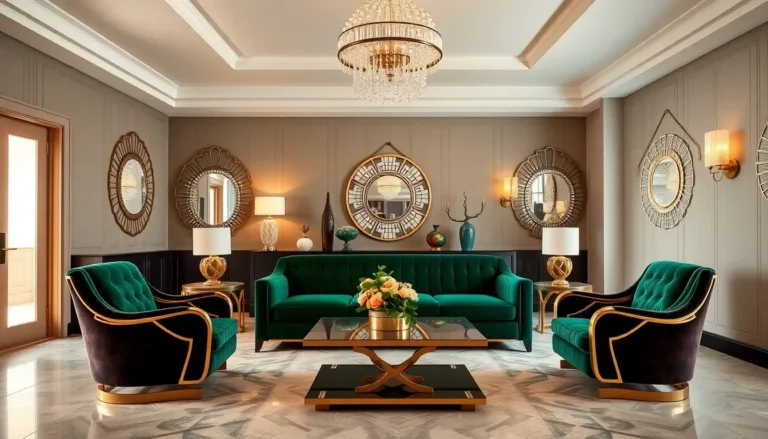

In a world where clutter reigns supreme, elegant space planning emerges as the superhero we never knew we needed. Imagine walking into a room that feels like a breath of fresh air, where every piece has its purpose and every corner whispers serenity. It’s not just about fitting furniture; it’s about creating an experience that makes you want to twirl in delight—without knocking over that strategically placed lamp, of course.
Table of Contents
ToggleUnderstanding Elegant Space Planning
Elegant space planning creates organized environments that promote tranquility and functionality. This approach maximizes utility while ensuring aesthetic appeal.
Definition and Importance
Elegant space planning refers to the strategic arrangement of physical space to enhance both form and function. It transforms chaotic settings into cohesive areas that reflect individual needs and styles. By prioritizing thoughtful design, it elevates everyday experiences, allowing for seamless movement and interaction. Homeowners benefit from a tranquil atmosphere, and businesses enhance productivity through smart layout choices. Effective space planning fosters a sense of harmony, making it essential in both residential and commercial design.
Key Principles of Elegant Space Planning
Several key principles govern elegant space planning. First, balance ensures visual harmony, distributing elements evenly throughout a space. Second, functionality emphasizes practicality, promoting ease of use in daily activities. Third, flow creates an intuitive navigation path, allowing residents and visitors to move effortlessly. Fourth, scale and proportion establish the relationship between different elements, guaranteeing that furniture complements the overall design. Finally, personal touch allows for individual expression, making each space unique. These principles work together to create environments that inspire peace and productivity.
Benefits of Elegant Space Planning
Elegant space planning offers numerous advantages that significantly improve living and working environments.
Enhancing Aesthetic Appeal
A well-planned space captivates the eye. Colors, textures, and patterns harmonize to create a visually appealing atmosphere. Incorporating thoughtful design elements elevates a room’s overall look. Artful arrangement of furniture fosters a sense of balance and proportion. Every detail, from lighting to accessories, contributes to a cohesive design. Elements blend seamlessly, enriching the experience. Attention to aesthetics not only pleases the occupants but also impresses visitors. This investment in beauty directly impacts mood and well-being.
Maximizing Functionality
Functionality remains at the core of elegant space planning. Efficient use of space ensures every square foot serves a purpose. Clever arrangements facilitate movement, reducing clutter. Storage solutions cleverly integrated into the design enhance organization. A purposeful layout encourages productivity, particularly in workspaces. Flexibility in design allows for adaptation to changing needs. Prioritizing practicality creates environments where users feel comfortable and effective. Balancing aesthetics and functionality provides a foundation for both serene and productive living.
Elements of Elegant Space Planning
Elegant space planning hinges on several key elements that work together to create functional and aesthetically pleasing environments. Understanding these components ensures a seamless balance between form and function.
Color Schemes
Color schemes play a vital role in establishing the mood of a space. Utilizing harmonious colors creates a sense of unity and flow throughout the room. Neutral tones often provide a calming backdrop, while pops of color can add vibrancy and personality. Strategically chosen shades enhance natural light and make rooms feel more expansive. Combining complementary colors fosters visual interest without overwhelming the senses. An effective color palette supports both branding in commercial environments and personalized expression in residential spaces.
Furniture Arrangement
Furniture arrangement directly impacts usability and comfort within a room. Effective layouts promote easy movement and clear pathways, allowing individuals to navigate the space effortlessly. Grouping furniture into conversational clusters encourages interaction and fosters a welcoming atmosphere. Prioritizing scale ensures that furniture fits proportionally within the room, creating visual harmony. In addition, multi-functional pieces save space while enhancing efficiency. Thoughtful arrangements also maximize design elements, spotlighting key features like artwork or architectural details.
Lighting Solutions
Lighting solutions significantly influence the ambiance of any space. Layered lighting, which combines ambient, task, and accent options, creates depth and versatility. Natural light should be harnessed to brighten up areas, promoting a lively environment. Installing dimmers allows flexibility, enabling adjustments for various activities and moods. Proper lighting highlights design features and enhances color schemes, making spaces more inviting. Incorporating stylish fixtures adds personality while serving practical purposes, reinforcing the connection between aesthetics and functionality.
Challenges in Implementing Elegant Space Planning
Implementing elegant space planning presents several challenges, including budget constraints and space limitations.
Budget Constraints
Budget constraints often hinder the realization of elegant space planning. Homeowners and business owners encounter financial restrictions that limit their choices for high-quality materials and furniture. Allocating funds for design services becomes essential, yet costs can escalate quickly. Every decision impacts the overall budget, leading to compromises in aesthetics or functionality. Finding cost-effective solutions that still maintain elegance requires careful planning. Prioritizing necessities over luxuries helps facilitate effective space usage while adhering to financial constraints.
Space Limitations
Space limitations significantly affect the effectiveness of elegant space planning. Small or awkwardly shaped rooms restrict design possibilities and present challenges in achieving desired layouts. Creativity plays a crucial role when working with limited square footage. Maximizing functionality without sacrificing style requires innovative approaches. Multi-functional furniture can provide both practicality and elegance in compact areas. Careful consideration of spatial relationships ensures fluid navigation while maintaining a visually appealing environment. Every inch must serve a purpose to achieve maximum impact within the given dimensions.
Elegant space planning transforms chaotic environments into serene and purposeful spaces. By prioritizing thoughtful design and strategic arrangements, individuals can create areas that reflect their unique styles while maximizing functionality.
This approach not only enhances aesthetic appeal but also fosters productivity and well-being. Despite challenges like budget constraints and space limitations, innovative solutions can still achieve elegance and harmony.
Ultimately, embracing the principles of elegant space planning leads to environments that inspire joy and facilitate movement, making it an essential consideration for any design project.